Professional XLR Splitter Hire and Rental in Kenya
Professional audio productions often require one microphone signal to be routed to more than one destination. For example, a live concert may need the microphone signal sent to the front-of-house mixing console and a separate recording or broadcast system. A conference may require audio to be distributed to different production areas, while a media team may need a microphone signal for both live sound and recording.
An XLR splitter is an audio accessory designed to divide or distribute compatible audio signals between different connections. It can help simplify certain audio routing arrangements when the correct type of splitter is selected.
At Janeson Rentals, we provide event equipment hire and rental solutions for customers looking for XLR splitter hire in Nairobi, Kenya. Our XLR splitter rental service is suitable for concerts, conferences, churches, live broadcasts, recording studios, media productions and other professional audio applications.
Hiring an XLR splitter is a practical option for event organisers and production teams that require additional audio routing equipment for a temporary project. It allows you to enquire about the appropriate accessory without purchasing equipment that may only be needed occasionally.
What Is an XLR Splitter?
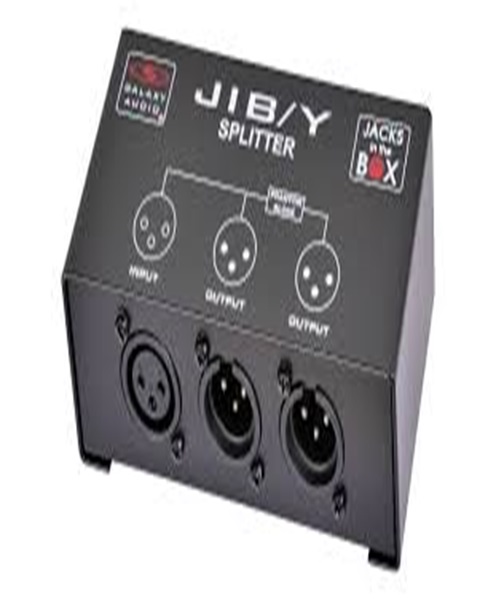
An XLR splitter is a device or cable accessory used to distribute an audio signal between multiple connections or combine compatible signals, depending on its design.
The term covers several different configurations, and it is important to understand the difference before hiring one.
Some common XLR splitter arrangements include:
- One input to two outputs: Distributes one compatible audio signal to two destinations.
- One input to multiple outputs: Sends a signal to several compatible destinations, depending on the splitter design.
- Microphone splitters: Used in live sound and broadcast environments to send a microphone signal to different mixing or recording systems.
- Transformer-isolated splitters: Provide electrical isolation between certain outputs to help manage grounding and connection issues.
- XLR Y-splitter cables: Use a compact cable arrangement to divide or combine connections, depending on the wiring configuration.
An XLR splitter should not be confused with an audio mixer. A splitter distributes or routes signals according to its design, while a mixer allows different audio signals to be combined and controlled.
It is also important to distinguish between a signal splitter and a simple Y-cable. Not every XLR Y-cable is suitable for splitting a microphone signal between multiple inputs. The correct wiring and electrical configuration must be confirmed before use.
Applications of XLR Splitter Rental
XLR splitters are useful in different professional audio environments where signal distribution is required.
Live Concerts and Music Performances
Live concerts may require microphone signals to reach multiple audio systems. For example, a vocal microphone may need to feed the main front-of-house mixing console and a separate recording or broadcast console.
A suitable microphone splitter can help provide these connections without requiring performers to use separate microphones for every audio destination.
For larger productions, sound engineers should consider the required number of outputs, isolation arrangements and signal routing requirements before selecting the splitter.
Corporate Conferences
Corporate conferences may involve separate sound systems for the live audience, video recording, interpretation or broadcast production.
An XLR splitter can be used in suitable configurations to distribute an audio signal to more than one compatible destination. This may be useful when the production team needs to capture a speaker’s microphone signal independently of the main sound system.
The exact connection arrangement should be planned according to the equipment available at the venue.
Church Services and Worship Events
Churches that conduct live streaming or record their services may need to send microphone signals to both the main sound system and a recording or broadcast setup.
An appropriate XLR splitter can help distribute compatible microphone signals to these separate destinations.
This is particularly useful for churches hosting special worship events, conferences, concerts and services that require simultaneous live sound and recording.
Live Streaming and Broadcast Productions
Broadcast and live-streaming teams may need audio feeds from the main event sound system. XLR splitters can support suitable signal distribution arrangements between microphones, mixers and broadcast equipment.
For example, a production may require a microphone feed for the venue’s PA system and another feed for video recording.
Sound engineers should ensure that the splitter configuration is suitable for the signal level and connected equipment.
Recording Studios
Recording studios may use microphone splitters when routing a microphone signal to more than one recording or monitoring destination.
This can be useful for specialised recording workflows, although the exact requirements depend on the equipment and signal path.
Interviews and Media Productions
Media productions may need to distribute a microphone signal to a sound recorder, video camera audio input or mixing console. An appropriate XLR splitter can help accommodate these requirements where the connected devices support the required signal configuration.
Outdoor Events and Festivals
Outdoor productions may use multiple sound and recording systems. A microphone splitter can help distribute signals between the main sound system and additional production equipment.
Cable runs, weather protection, grounding and electrical safety should be considered when planning outdoor audio connections.
Benefits of Hiring an XLR Splitter
Hiring an XLR splitter can provide several advantages for temporary audio productions and events.
1. Flexible audio signal distribution
A suitable splitter allows one compatible signal to be routed to multiple destinations. This is useful for live sound, recording and broadcast applications.
2. Support for live sound and recording
Some events require audio to be sent to the main PA system while also being recorded independently. A suitable splitter can support this arrangement.
3. Convenient temporary equipment access
Hiring is practical when a splitter is only required for a particular concert, conference, broadcast or recording project.
4. More organised audio routing
Using the appropriate splitter can help simplify signal distribution and reduce the need for improvised cable arrangements.
5. Different output configurations
Depending on the required setup, clients can enquire about splitter configurations with different numbers of outputs.
6. Supports professional production workflows
XLR splitters are useful accessories for sound engineers, recording teams, broadcast technicians and event production companies.
Types of XLR Splitters to Consider
Choosing the correct XLR splitter is important because different models perform different functions.
Passive XLR Splitters
A passive XLR splitter distributes a compatible signal through a wiring arrangement without requiring its own external power supply.
The specific design determines how the signal is divided and whether the outputs are electrically isolated. Passive splitters should be selected according to the connected equipment and the intended signal path.
Transformer-Isolated XLR Splitters
Transformer-isolated splitters use transformers to provide electrical isolation between certain outputs.
They are often considered for professional live sound applications where a microphone signal must be distributed to separate audio systems. Isolation can help manage some grounding-related problems, although the correct grounding and connection practices are still important.
XLR Y-Splitter Cables
An XLR Y-splitter cable has one connector branching into two connections, or the reverse arrangement, depending on the design.
These cables are not interchangeable with every type of microphone splitter. Some are designed to combine signals rather than distribute one signal to multiple inputs.
Always confirm the wiring configuration before using a Y-cable.
Multi-Channel Microphone Splitters
Larger productions may require multiple microphone signals to be distributed to separate mixing consoles or recording systems.
A multi-channel splitter can accommodate several microphone connections within one unit or system. This can be useful for concerts, festivals, broadcast productions and larger conferences.
How to Choose the Right XLR Splitter
Before arranging XLR splitter hire in Nairobi, consider the following technical requirements.
Number of Inputs and Outputs
Determine how many microphone signals need to be distributed and how many destinations each signal must reach.
A simple one-to-two splitter may be suitable for a basic arrangement, while a larger production may require a multi-channel system.
Signal Direction
Confirm whether the device is designed to split one signal into multiple outputs or combine multiple signals into one connection.
Using the wrong configuration can result in an unsuccessful connection or an unsuitable audio signal path.
Transformer Isolation
For professional live sound arrangements involving separate mixing systems, transformer isolation may be required.
Discuss the grounding and signal distribution requirements with your sound engineer before selecting the splitter.
Phantom Power Requirements
Some condenser microphones require phantom power. If the microphone signal is being split between different systems, the phantom power arrangement must be planned carefully.
Incompatible phantom power configurations can cause problems, particularly when multiple devices are connected to the same microphone signal. Follow the equipment manufacturer’s instructions and consult a qualified audio technician.
Connector Compatibility
Check that the splitter has the correct XLR connector configuration for the microphones, cables and receiving equipment.
Event and Venue Requirements
The size of the event, distance between equipment and number of audio destinations will influence the splitter requirements.
For larger productions, provide the sound engineer with a signal-flow plan showing where each microphone signal needs to go.
XLR Splitters for Different Event Setups
The correct splitter configuration depends on the purpose of the event.
For a concert, a microphone signal may need to reach the front-of-house console and a separate recording console. For a church service, the signal may need to feed the PA system and a live-streaming setup.
For a corporate conference, a speaker’s microphone may need to be routed to the main sound system and video recording equipment. For a media production, the audio team may need to distribute microphone signals to separate recorders or camera audio systems.
In each situation, the splitter should be selected according to the signal direction, number of outputs, connector configuration and electrical requirements.
Janeson Rentals encourages clients to describe their complete audio setup when making an enquiry so that the appropriate equipment requirements can be considered.
Why Choose Janeson Rentals for XLR Splitter Hire?
Janeson Rentals provides event equipment hire and rental solutions for customers organising professional events and audio productions in Nairobi, Kenya.
Clients can enquire about XLR splitter rental for temporary sound systems, live performances, conferences, recording sessions and broadcast productions.
Reasons to choose Janeson Rentals include:
- Event-focused rental solutions: Suitable for concerts, conferences, church services, corporate events and media productions.
- Practical equipment planning: Discuss the number of audio signals, required outputs and connected equipment before arranging your rental.
- Flexible rental requirements: Specify the quantity and rental period needed for your production.
- Related audio equipment: Enquire about XLR cables, microphones, stage boxes, mixing consoles and PA systems.
- Nairobi-based service: We support customers planning events and productions in Nairobi.
- Kenya-wide delivery enquiries: Delivery arrangements across Kenya can be discussed subject to equipment availability, location and logistics.
Related Audio Equipment You May Need
An XLR splitter is often used alongside other professional audio equipment. Depending on your production, you may also need:
- XLR cables
- Microphone cables
- Wired handheld microphones
- Wireless microphone systems
- Condenser microphones
- Dynamic microphones
- Digital stage boxes
- Analog stage boxes
- Digital mixing consoles
- Analog mixing consoles
- Audio interfaces
- Audio recorders
- Audio processors
- Powered speakers
- PA systems
- Speaker cables
- Other compatible audio adapters
A complete equipment plan helps ensure that the signal reaches the intended destinations correctly.
Book XLR Splitter Hire in Nairobi Today
Are you organising a concert, corporate conference, church service, live broadcast, recording session or professional event? Janeson Rentals can help you enquire about XLR splitter hire and rental in Nairobi, Kenya.
When making your enquiry, provide the event date, venue, number of microphone signals, required outputs, splitter configuration and rental period. It is also helpful to share the microphone and mixing console models so that compatibility can be considered.
Contact Janeson Rentals today to discuss your XLR splitter rental requirements and plan the audio signal connections for your next event or production.