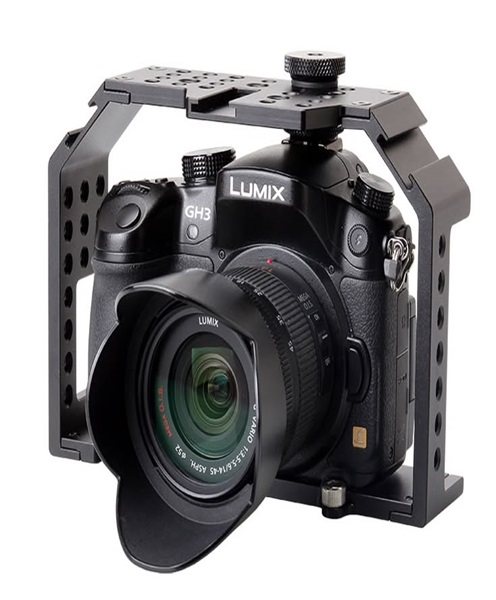
Camera Cage Hire and Rental in Kenya
A professional camera setup often requires more than the camera body and lens. During video production, operators may need to attach external monitors, microphones, wireless transmitters, lights, handles, cables and other accessories. Mounting all these components directly onto a camera that was not designed to carry them can make the setup difficult to manage.
A camera cage provides a practical foundation for building an organised camera rig. It is a frame designed to fit around or attach to a camera body, offering additional mounting points for compatible accessories while helping protect parts of the camera during production.
At Janeson Rentals, we provide camera cage hire and rental solutions in Nairobi and across Kenya for filmmakers, videographers, photographers, production companies, content creators and event organisers. Whether you are preparing for a commercial shoot, documentary, interview, wedding video, corporate production or live recording, a suitable camera cage can help you organise your equipment and improve your camera-handling setup.
Camera cage rental is particularly useful when you need a production-ready camera configuration for a specific assignment without investing in permanent ownership of specialised rigging accessories.
If you are looking for camera cage hire in Kenya, Janeson Rentals can help you discuss the requirements of your camera setup and production.
What Is a Camera Cage?
A camera cage is a protective and accessory-mounting frame designed to fit around a compatible camera. It provides additional points where production accessories can be attached.
Depending on the design, a camera cage may include threaded mounting holes, cold shoe mounts, NATO rails, attachment points for handles and compatibility with selected baseplates or rod systems.
The cage gives the operator a structured way to build a camera rig. Instead of attaching every accessory directly to the camera body, compatible accessories can be mounted to the cage.
For example, a videographer may attach an external monitor to the top or side of the cage, mount a handle for easier carrying and secure cables using a compatible cable clamp.
Camera cages are available for different camera bodies and production requirements. Some are designed specifically for particular camera models, while others use more flexible mounting arrangements. Compatibility is important because the cage must fit securely without blocking essential camera controls, ports, screens, battery compartments or memory card access.
Why Hire a Camera Cage?
Hiring a camera cage can be useful for productions that require a more organised camera setup for a limited period.
1. Create an Organised Camera Rig
A camera cage provides a central mounting structure for compatible accessories. This can help keep monitors, microphones, handles and other components arranged around the camera.
An organised rig can make it easier for the operator to handle the equipment and access important controls during filming.
2. Provide Additional Accessory Mounting Points
Many camera cages include multiple mounting points that allow operators to attach accessories according to their production requirements.
Depending on the cage, these may support compatible handles, monitor mounts, microphone accessories, articulating arms and cable-management components.
3. Help Protect the Camera Body
A properly fitted cage can provide a degree of physical protection around parts of the camera body. It may help reduce the risk of minor contact damage during handling and equipment changes.
However, a cage is not a substitute for a protective hard case, and it does not make a camera waterproof or impact-proof.
4. Improve Camera Handling
Some cages support top handles, side handles or other grip accessories. These can provide additional ways to hold and position the camera.
This is useful for handheld video production, low-angle shots and situations where the operator needs to reposition the camera frequently.
5. Support Different Production Configurations
A camera cage can serve as a foundation for several types of camera setups. Depending on compatibility, the same camera may be configured for handheld filming, tripod mounting, shoulder operation or other production arrangements.
This flexibility is valuable for teams working across different shooting environments.
6. Reduce the Cost of Equipment Ownership
Purchasing camera rigging accessories may not be practical for every production company or independent videographer. Renting a camera cage provides access to the required equipment for a specific project without the long-term commitment of ownership.
Applications of Camera Cage Rental in Kenya
Film and Television Production
Film and television crews often use camera cages when building camera rigs for professional production environments.
A cage can provide mounting points for monitors, wireless video equipment, handles and other accessories. The exact configuration depends on the camera, scene requirements and operating style.
Corporate Video Production
Corporate productions may involve interviews, presentations, workplace footage, promotional videos and training content.
A camera cage can help organise the camera setup by providing a mounting platform for an external monitor, microphone accessories and other equipment.
Wedding Videography
Wedding videographers frequently move between preparation rooms, ceremony spaces, reception venues and outdoor locations.
A camera cage can support a more manageable handheld camera configuration, particularly when the operator needs additional mounting points for a monitor or microphone.
Documentary Filmmaking
Documentary production may require filming in different locations and working with changing camera configurations.
A camera cage can help keep essential accessories attached to the camera in an organised way. This can be useful when moving between interviews, observational filming and location footage.
Commercial and Advertising Production
Commercial video productions often involve carefully arranged camera setups. A cage can provide mounting points for accessories used during product filming, promotional shoots and branded content production.
Live Streaming and Event Recording
Live production teams may use camera cages when configuring cameras with external monitors, wireless transmission equipment and other compatible accessories.
The cage can help organise the camera setup, especially when cameras need to be repositioned or adjusted during production.
Social Media and Content Creation
Content creators producing YouTube videos, tutorials, product reviews, interviews and promotional content can benefit from an organised camera rig.
A cage can provide additional mounting options without requiring the creator to hold every accessory separately.
Types of Camera Cages
Camera cages come in different designs. The most suitable option depends on the camera model, accessory requirements and shooting style.
Full Camera Cage
A full camera cage surrounds more of the camera body and generally provides multiple mounting points.
It can be useful for production setups requiring several accessories, such as monitors, handles, microphones and wireless equipment.
The design should still allow access to the camera’s essential controls and compartments.
Half Camera Cage
A half cage covers or supports only part of the camera body.
It can provide selected mounting points while keeping the setup relatively compact. This may suit operators who need a few additional attachment options without building a larger rig.
Camera-Specific Cage
A camera-specific cage is designed around a particular camera model or camera family.
It is generally shaped to match the camera’s dimensions and provide access to its controls, ports, battery compartment and other important features.
Before hiring, confirm that the cage is compatible with the exact camera model.
Universal Camera Cage
A universal cage uses adjustable or flexible mounting arrangements intended to accommodate different camera bodies.
Although it may offer broader compatibility, the fit and accessibility of controls can vary. It is important to check that the selected cage securely supports the intended camera.
Camera Cage Accessories and Mounting Options
A camera cage becomes more useful when paired with compatible production accessories.
-
Top handle: Provides an additional grip for carrying the camera and capturing selected low-angle shots.
-
Side handle: Offers another grip position for handheld operation.
-
Monitor mount: Holds an external display in a convenient viewing position.
-
Cold shoe mount: Provides an attachment point for compatible accessories.
-
NATO rail: Allows compatible accessories to be attached and removed using a rail-based system.
-
Cable clamp: Helps secure selected cables and reduce strain on camera ports.
-
Baseplate: Connects the camera rig to compatible tripod, shoulder-support or rod systems.
-
Articulating arm: Allows selected accessories, such as monitors, to be positioned at adjustable angles.
-
Rod support: Provides a mounting structure for compatible accessories such as follow-focus systems and matte boxes.
Not every camera cage includes these accessories. The exact configuration should be confirmed before booking. Camera cage mounting options and compatibility vary by design.
Kondor Blue+1
Important Factors When Choosing a Camera Cage for Hire
Before arranging camera cage rental, consider the following factors.
-
Camera compatibility: Confirm the cage is designed for your camera model or safely accommodates its dimensions.
-
Mounting points: Check whether the cage offers the attachment points required for your accessories.
-
Port access: Ensure the cage does not obstruct HDMI, USB, audio or other essential connections.
-
Battery access: Confirm that you can change batteries without unnecessary disassembly.
-
Screen access: Check that the camera display can open, tilt or rotate as needed.
-
Accessory weight: Consider the combined weight of the camera and mounted accessories.
-
Mounting standards: Check compatibility with the handles, rails, baseplates and mounts you intend to use.
-
Rig dimensions: Ensure the assembled setup is practical for the filming environment.
-
Quick-release compatibility: If you need to move between a tripod and handheld setup, confirm that the mounting system supports your workflow.
Camera Cage vs Shoulder Rig
A camera cage and a shoulder rig are related but different pieces of equipment.
A camera cage is primarily a mounting frame that surrounds or attaches to the camera body. It provides accessory mounting points and can form the foundation of a larger rig.
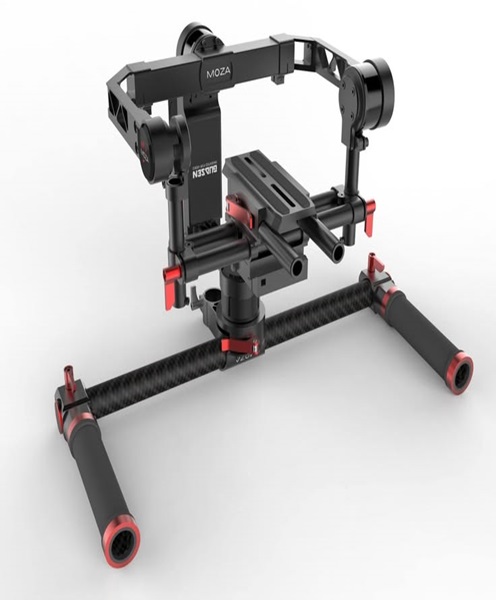
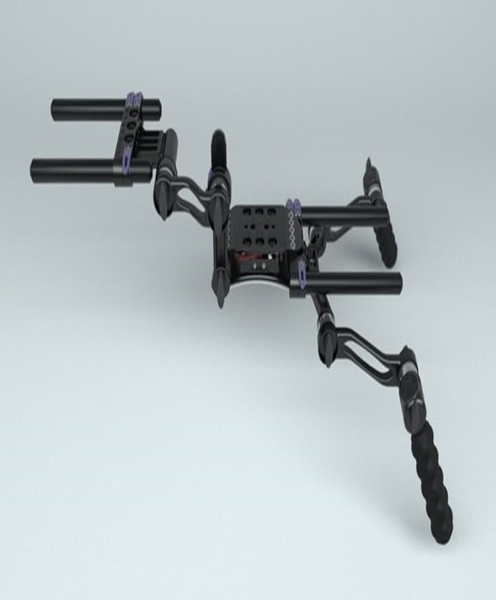
A shoulder rig is designed to support a camera on the operator’s shoulder. It may include a shoulder pad, handles, rods and a baseplate to help distribute the weight of the camera setup.
A cage can be used as part of a shoulder rig when the two systems are compatible. However, hiring a camera cage alone does not automatically provide a complete shoulder-support arrangement.
Equipment That Can Complement a Camera Cage
Depending on the production, a camera cage may be paired with:
-
Professional video camera or cinema camera.
-
DSLR or mirrorless camera.
-
External camera monitor.
-
Top handle or side handle.
-
Wireless microphone system.
-
On-camera microphone.
-
Wireless video transmitter.
-
Camera baseplate.
-
15mm rod support system, where compatible.
-
Matte box and follow-focus equipment.
-
Tripod or shoulder rig.
-
Camera batteries and power accessories.
-
Lighting equipment.
The equipment should be selected according to the cage’s mounting standards, camera compatibility and total payload requirements.
Preparing a Camera Cage for Production
Before filming, make sure the cage is securely attached to the camera using the correct mounting points. Check that the camera does not move or twist inside the frame.
Attach only accessories that are compatible with the cage and ensure that their weight is properly supported. Avoid placing unnecessary strain on small mounting points.
Check that the battery compartment, memory card slot, camera screen and essential controls remain accessible. Secure cables where appropriate so that accidental pulling does not place excessive pressure on camera ports.
Once the rig is assembled, test it in the intended shooting configuration. Confirm that it can be comfortably handled, mounted or transferred to other support equipment.
Why Choose Janeson Rentals for Camera Cage Hire in Kenya?
Janeson Rentals provides equipment hire solutions for creative productions, events and professional filming projects.
Support for Different Camera Setups
Different camera models and productions require different rigging arrangements. Sharing your camera model and intended accessories helps establish the cage requirements.
Convenient Equipment Rental
Hiring allows you to access camera rigging equipment for a specific production without purchasing it permanently.
Suitable for Professional and Independent Productions
Our equipment hire solutions support filmmakers, videographers, photographers, content creators, agencies and event organisers.
Nairobi-Based Service Across Kenya
Janeson Rentals is based in Nairobi and serves clients across Kenya. Contact us with your production location and equipment requirements to discuss a suitable rental arrangement.
Book Camera Cage Hire and Rental with Janeson Rentals
If you are preparing a camera for a film, interview, commercial, documentary, wedding or corporate production, a camera cage can help create a more organised and adaptable rig.
Janeson Rentals offers camera cage hire and rental in Kenya for production teams and content creators who need practical camera rigging equipment.
When making an enquiry, provide your camera model, the accessories you intend to mount, your production date and your filming location. This helps determine the compatibility and configuration required.
Contact Janeson Rentals today for camera cage hire in Nairobi and across Kenya, and prepare your camera setup for your next production.