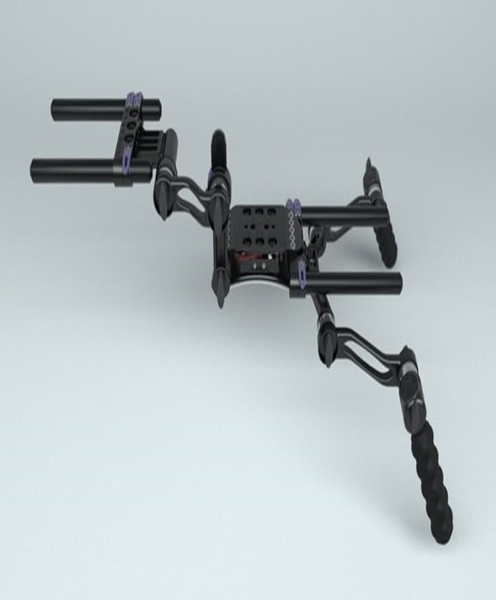
Shoulder Rig Hire and Rental in Kenya
Professional video production often involves long recording sessions, changing camera angles and movement between different filming positions. Holding a fully equipped camera for extended periods can become uncomfortable, particularly when the setup includes a camera body, lens, external monitor, microphone and other accessories.
A shoulder rig is designed to support a camera on the operator’s shoulder while providing additional handgrips and mounting options. It helps distribute the weight of the camera setup across more contact points, making handheld operation more manageable for certain production styles.
At Janeson Rentals, we provide shoulder rig hire and rental solutions in Nairobi and across Kenya for filmmakers, videographers, documentary producers, broadcasters, event production companies and content creators.
Whether you are filming a documentary, producing a television programme, covering a corporate event, recording a wedding or working on a commercial video, a shoulder rig can help you operate your camera with greater physical support and control.
Hiring a shoulder rig is a practical option for productions that need professional camera-support equipment for a specific assignment without purchasing a complete rigging system.
If you are searching for shoulder rig hire in Kenya, Janeson Rentals can help you discuss a suitable rental arrangement based on your camera configuration and filming requirements.
What Is a Shoulder Rig?
A shoulder rig is a camera-support system designed to allow an operator to carry and operate a camera from the shoulder.
It generally consists of a camera mounting platform, a shoulder pad and one or more handles. Depending on the design, it may also include rods, adjustable brackets, counterweight mounting points and accessory supports.
The camera is secured to the rig using a compatible mounting plate or baseplate. The shoulder pad rests against the operator’s shoulder, while the handles provide additional points of contact for controlling the camera.
Some shoulder rigs are compact and designed for lightweight DSLR or mirrorless cameras. Others are modular systems intended for larger professional camera configurations.
A shoulder rig does not eliminate all camera movement. Instead, it provides a more structured way to support and operate a camera during handheld filming.
Why Hire a Shoulder Rig?
Shoulder rig rental is useful when a production requires mobile camera operation and additional physical support.
1. Improve Camera Handling
A shoulder rig provides a dedicated support structure for the camera rather than requiring the operator to hold the entire setup directly with their hands.
The shoulder pad and handles create additional contact points, helping the operator manage the camera during filming.
2. Support Longer Handheld Shooting Sessions
Holding a camera for extended periods can place strain on the arms and wrists.
A properly configured shoulder rig can help distribute some of the camera setup’s weight towards the shoulder and torso. The level of comfort depends on the rig’s design, camera weight, adjustment and operator.
3. Improve Camera Balance
Professional camera setups can become front-heavy when fitted with long lenses, matte boxes and other accessories.
Some shoulder rigs allow adjustments to the camera position and support components. Certain configurations also accommodate counterweights to help improve balance.
A properly balanced setup can be easier to control during handheld filming.
4. Support Mobile Video Production
Shoulder rigs are useful when the operator needs to move through a filming environment while maintaining control of the camera.
They can support documentary filming, event coverage, interviews, television production and location-based video work.
5. Provide Accessory Mounting Options
Many shoulder rigs use modular mounting systems that can accommodate compatible accessories.
Depending on the configuration, these may include follow-focus systems, matte boxes, external monitors, microphones and wireless video equipment.
6. Access Professional Support Equipment Without Buying
A shoulder rig may only be required for particular productions. Renting allows filmmakers and production companies to access the equipment when needed without committing to permanent ownership.
Applications of Shoulder Rig Rental in Kenya
Documentary Filmmaking
Documentary production often involves moving through different locations while following people, activities and events.
A shoulder rig can support mobile filming by providing a structured way to carry the camera and maintain control during handheld operation.
It can be useful for interviews, observational footage, location coverage and behind-the-scenes recording.
Television and Broadcast Production
Television crews may need to move quickly between filming positions while recording news, interviews, events and other programmes.
A shoulder rig can support camera operators working in environments where a tripod cannot always be used.
The camera configuration should be selected according to the broadcast camera, lens and accessories.
Wedding Videography
Wedding videographers frequently move between preparation areas, ceremony locations, reception spaces and outdoor settings.
A shoulder rig can be useful for capturing processional footage, candid moments, guest interactions and other moving shots.
It can also help support a camera setup when recording longer sequences during the event.
Concerts and Live Event Filming
Concerts, festivals and live performances often involve changing camera positions and moving subjects.
A shoulder rig can support camera operators who need to follow performers, capture audience activity or record footage from different positions.
The operator should plan movements carefully to avoid obstructing guests, performers and other production crew members.
Corporate Video Production
Corporate productions may involve interviews, workplace footage, presentations, factory tours and promotional recordings.
A shoulder rig can be helpful when moving between locations or capturing activities that require more mobility than a stationary tripod allows.
Film and Commercial Production
Filmmakers and advertising agencies may use shoulder rigs for scenes that require a handheld visual style.
The operator can move with actors or subjects while maintaining a supported camera position. This can create a more immediate and immersive visual experience.
Sports and Outdoor Video Production
Shoulder rigs can support camera operators covering sporting activities, outdoor events and location-based productions.
The rig provides additional support when filming from selected positions, although the suitability of the setup depends on the camera’s weight, lens, operator movement and filming environment.
Educational and Institutional Video Production
Schools, colleges, universities and training organisations may produce documentaries, interviews, event recordings and promotional videos.
A shoulder rig can help operators manage mobile camera setups when recording activities across different locations.
Types of Shoulder Rigs
Shoulder rigs are available in different sizes and configurations. The right choice depends on the camera, production style and amount of equipment being mounted.
DSLR Shoulder Rig
A DSLR shoulder rig is designed for compatible DSLR camera setups.
It can provide a shoulder pad, handles and mounting platform to make handheld filming more manageable.
These rigs are useful for independent filmmakers, wedding videographers, content creators and small production teams.
Mirrorless Camera Shoulder Rig
Mirrorless camera shoulder rigs are designed for compatible mirrorless camera bodies.
They can be configured with selected accessories such as external monitors, microphones and camera cages.
Since mirrorless cameras vary in size and shape, compatibility should be confirmed before hiring.
Professional Cinema Camera Shoulder Rig
Professional shoulder rigs are designed for more demanding production setups.
Depending on the system, they may support larger cameras, additional accessories, rod-mounted components and adjustable shoulder supports.
They are useful for professional film, television and commercial production.
Modular Shoulder Rig
A modular shoulder rig consists of components that can be adjusted or arranged according to the production’s requirements.
A modular setup may include a baseplate, rods, shoulder pad, handles and accessory mounting brackets.
This flexibility can be useful for production teams that work with different camera configurations.
Lightweight Shoulder Rig
Lightweight shoulder rigs are intended for smaller camera setups and mobile filming.
They can be useful for independent videographers and content creators who need shoulder support without building a large production rig.
Understanding Shoulder Rig Components
A shoulder rig is made up of different components that work together to support the camera.
Shoulder Pad
The shoulder pad is the part of the rig that rests against the operator’s shoulder.
Its purpose is to provide a contact surface for supporting the camera setup. Padding, shape and adjustability can influence comfort during use.
Camera Baseplate
The baseplate provides a mounting platform for the camera or camera cage.
It helps secure the camera to the shoulder rig and may connect to compatible rod systems or quick-release arrangements.
Handgrips
Handgrips provide the operator with additional points for holding and controlling the rig.
Some systems have adjustable handles that allow operators to change their grip position according to their preferred shooting style.
Rod System
Some shoulder rigs use rods to connect different components and support accessories.
Depending on the system, rods may be used to mount a matte box, follow-focus system, shoulder pad or other compatible equipment.
Counterweight
Some shoulder rig configurations allow counterweights to be attached towards the rear of the setup.
A counterweight can help balance a camera configuration that is heavier towards the front. The correct amount and position depend on the complete rig.
Top Handle
A top handle may provide an additional carrying and positioning point.
It can be useful when moving the camera between shooting positions or capturing selected low-angle shots.
Quick-Release System
Some shoulder rigs include a quick-release arrangement that allows the camera or rig to be attached to or removed from a compatible support system more efficiently.
Compatibility between the plates and mounting systems should be confirmed before use.
Important Factors When Choosing a Shoulder Rig for Hire
Before arranging shoulder rig rental, consider the following factors:
-
Camera compatibility: Confirm that the mounting system supports your camera or camera cage.
-
Payload capacity: Check that the rig can safely support the complete camera setup.
-
Shoulder pad comfort: Consider the padding, shape and adjustability.
-
Handle positioning: Ensure that the handles can be positioned comfortably for the operator.
-
Balance adjustment: Check whether the rig allows the camera position to be adjusted.
-
Counterweight support: Determine whether additional balance adjustments are required.
-
Rod compatibility: If you need a matte box or follow-focus system, confirm the rod standard and spacing.
-
Accessory mounting: Identify the additional equipment you intend to attach.
-
Overall weight: Consider the total weight of the camera, rig and accessories.
-
Quick-release compatibility: Check whether the rig can connect to your existing tripod or support system.
Shoulder Rig vs Shoulder-Mount Camera
A shoulder rig and a shoulder-mount camera are related, but they are not the same product.
A shoulder rig is an external support system that can be attached to a compatible camera. It typically includes a shoulder pad, handles and a mounting platform.
A shoulder-mount camera is a camera designed or configured for shoulder-supported operation. Its body shape, controls and viewfinder arrangement may be designed around shoulder-based filming.
A smaller DSLR or mirrorless camera can be mounted on a shoulder rig to create a shoulder-operated configuration. A dedicated shoulder-mount camera may have a more integrated design.
For productions using compact cameras, a shoulder rig can provide an alternative to purchasing a larger shoulder-mount camera.
Shoulder Rig vs Camera Cage
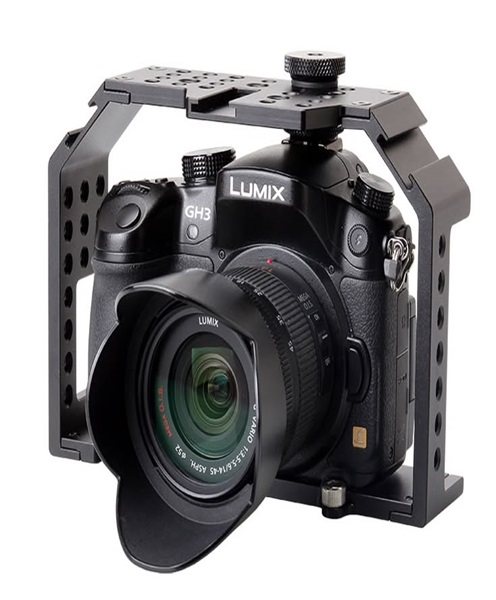
A camera cage is a frame that attaches around a camera body and provides additional mounting points for accessories.
A shoulder rig is designed to support the camera on the operator’s shoulder.
The two can work together. A camera cage may be attached to a shoulder rig through a compatible baseplate, allowing the production team to build a more complete camera setup.
However, a camera cage alone does not provide the shoulder pad and support structure required for a conventional shoulder rig configuration.
Equipment That Can Complement a Shoulder Rig
Depending on the filming requirements, a shoulder rig can be used alongside:
-
Professional video camera or cinema camera.
-
DSLR or mirrorless camera.
-
Compatible camera cage.
-
Camera baseplate.
-
External camera monitor.
-
Matte box.
-
Follow-focus system.
-
Compatible rod support.
-
On-camera microphone.
-
Wireless microphone system.
-
Wireless video transmitter.
-
Camera batteries and power accessories.
-
Tripod for stationary shots.
-
Camera bag or protective transport case.
The exact setup depends on the shoulder rig’s design, camera compatibility and rated capacity.
Preparing for a Shoulder Rig Shoot
Before filming, confirm that the shoulder rig is compatible with the camera and accessories being used.
Secure the camera to the mounting platform and check that all connections are properly tightened. If the setup includes rods, handles or other adjustable components, confirm that they are firmly secured.
Position the shoulder pad so that the rig sits comfortably on the operator’s shoulder. Adjust the handles to provide a natural grip and ensure that the camera can be controlled without unnecessary strain.
If the camera setup is front-heavy, assess whether the rig supports a suitable balance adjustment or counterweight arrangement.
Test the complete configuration before recording. Check that the operator can access camera controls, monitor the image and move safely through the intended filming area.
For extended shoots, take appropriate breaks and avoid assuming that a shoulder rig removes the physical demands of carrying camera equipment.
Why Choose Janeson Rentals for Shoulder Rig Hire in Kenya?
Janeson Rentals provides equipment hire solutions for professional productions, events and creative projects.
Equipment for Different Camera Configurations
Different cameras and production styles require different support arrangements. Sharing your camera model and intended setup helps establish the appropriate rigging requirements.
Convenient Rental Solutions
Shoulder rig rental allows you to access specialised camera support equipment for a specific production without purchasing it permanently.
Suitable for Professional and Independent Filmmakers
Our rental services support videographers, filmmakers, documentary producers, broadcasters, content creators, agencies and event organisers.
Nairobi-Based Service Across Kenya
Janeson Rentals is based in Nairobi and serves clients across Kenya. Contact us with your production location, rental dates and camera requirements to discuss the available arrangements.
Book Shoulder Rig Hire and Rental with Janeson Rentals
Are you preparing for a documentary, television production, wedding, commercial shoot, concert or corporate video project? A shoulder rig can help you build a supported handheld camera setup for mobile filming.
Janeson Rentals offers shoulder rig hire and rental in Kenya for production teams seeking practical camera-support equipment.
When making an enquiry, provide your camera model, lens configuration, approximate rig weight, required accessories, filming date and location. This will help establish the most suitable equipment requirements.
Contact Janeson Rentals today for shoulder rig hire in Nairobi and across Kenya, and prepare a more manageable camera setup for your next production.